
QA Data Collaboration
Ensuring quality assurance (QA) in the supply chain is crucial for maintaining product standards, regulatory compliance, and vendor accountability. Traditional QA processes often suffer from delayed communication, lack of transparency, and manual reporting, leading to inefficiencies and disputes.
Our QA Data Collaboration System enables real-time sharing of quality data with vendors, automates rejection handling, and streamlines rebate and credit/debit note processing. With seamless ERP integration, automated workflows, and structured data-sharing mechanisms, businesses can improve supplier collaboration, reduce errors, and enhance overall supply chain quality.
Explore the key features of our QA Data Collaboration System below:
Share QA Results to Vendors
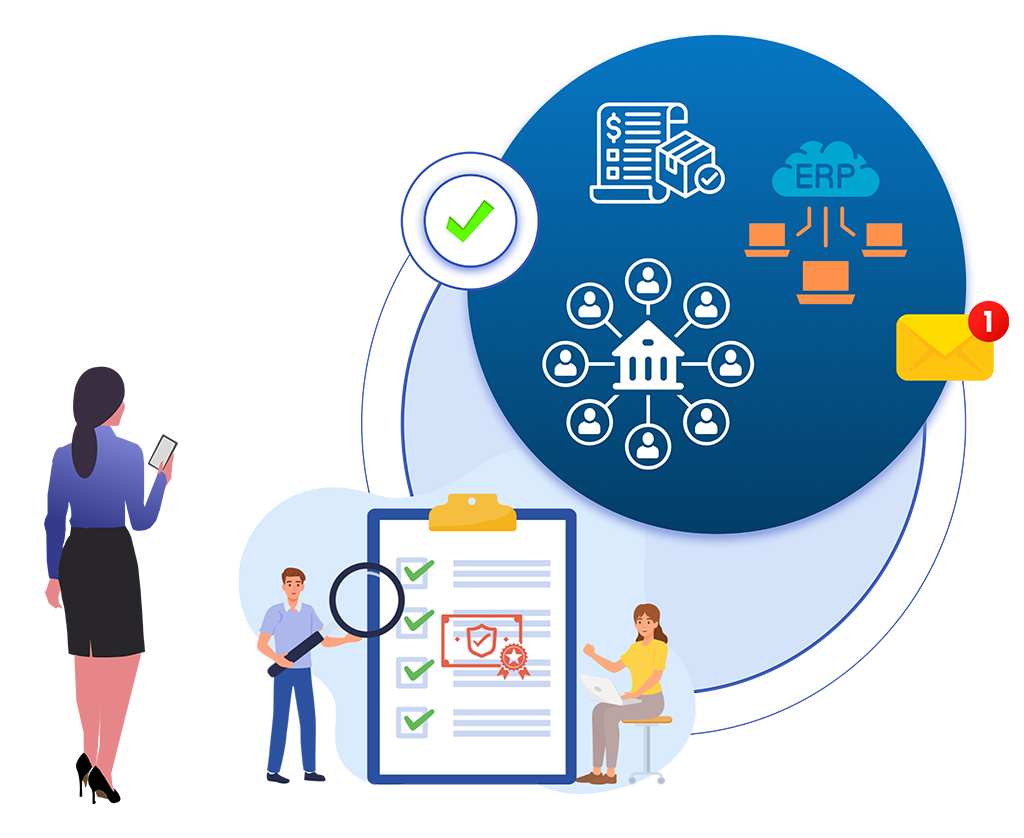
Timely communication of quality assurance (QA) results is essential to ensure that vendors maintain the required quality standards. Our system automates the sharing of QA results with vendors through a centralized portal, email notifications, and direct ERP integration.
- QA test results are digitally recorded and automatically linked to the corresponding Goods Receipt Notes (GRN).
- Vendors receive instant notifications regarding accepted and rejected materials along with detailed QA reports.
- The system enables visual dashboards where vendors can track historical QA trends, failure rates, and corrective actions.
- Automatic alerts notify vendors of quality concerns, allowing them to take proactive measures before subsequent shipments.
By ensuring real-time visibility into QA data, businesses can improve vendor accountability, minimize quality disputes, and enhance product consistency.
GRN Acceptance and Rejection Qty Data Share with the Vendor
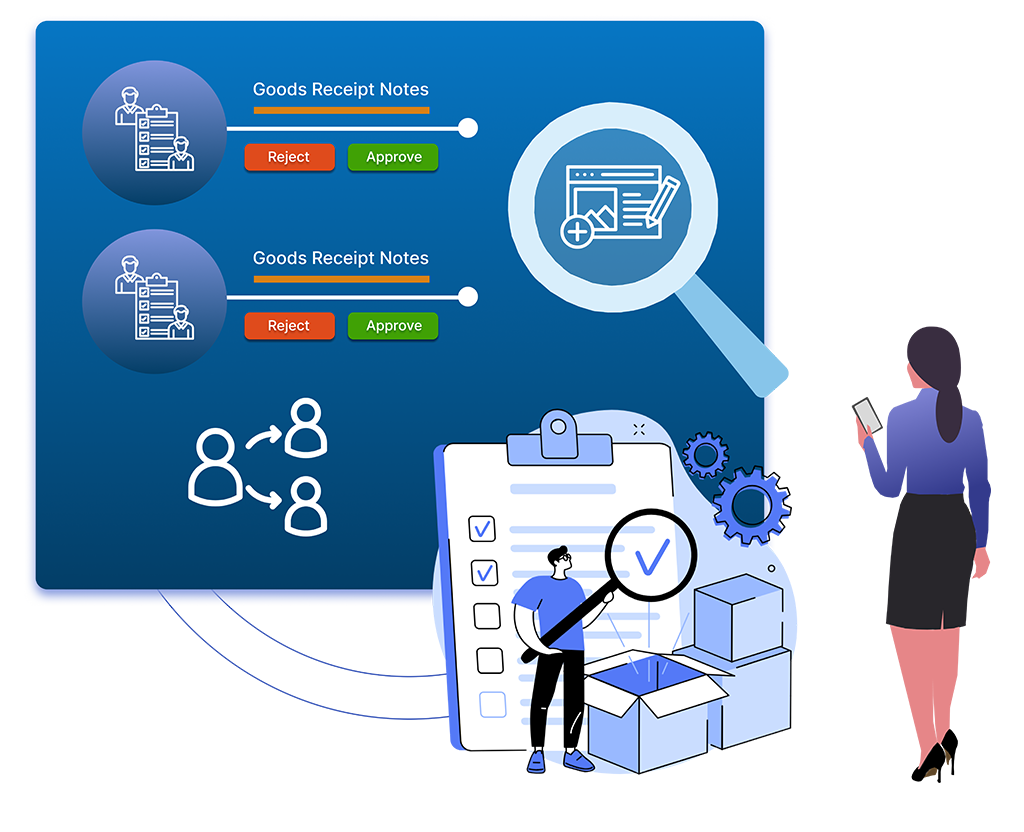
Managing Goods Receipt Notes (GRN) approvals and rejections manually can lead to delays, inventory mismatches, and financial disputes. Our system automates GRN processing and ensures vendors receive real-time updates on acceptance and rejection quantities.
- Upon GRN approval, vendors are immediately notified of accepted quantities, rejected items, and pending quality checks.
- The system links QA reports to GRNs, allowing vendors to understand why materials were rejected.
- Vendors can track rejection trends over time and adjust their production or quality control processes accordingly.
- The platform also facilitates automated reconciliation of accepted quantities with invoices and purchase orders, ensuring seamless financial processing.
By digitally sharing GRN acceptance and rejection details, businesses can reduce manual follow-ups, prevent invoicing errors, and improve supplier coordination.
Rejections and Rebate Display
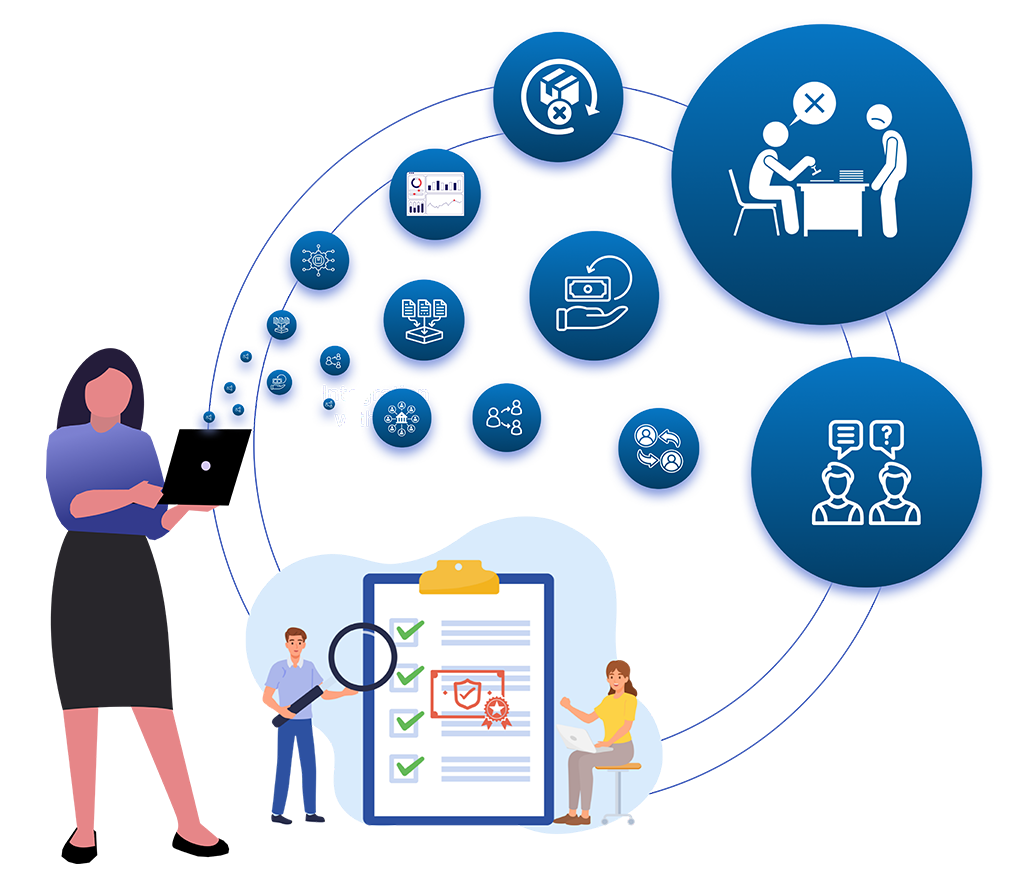
Handling material rejections and rebates effectively is essential for minimizing financial losses and ensuring compliance with supplier agreements. Our system automates rejection reporting and displays rebate information in real-time.
- Rejection details are instantly available to vendors, helping them understand the reason for material failures.
- The system classifies rejections into categories such as specification mismatch, damaged goods, expired products, or incomplete deliveries.
- Rebate policies are auto-applied based on predefined agreements, ensuring that vendors can claim refunds or replacements efficiently.
- Vendors can access a real-time rejection and rebate dashboard, allowing them to monitor trends, prevent recurring quality issues, and enhance future deliveries.
By providing clear and structured rejection and rebate data, businesses can reduce disputes, improve supplier relationships, and enforce quality compliance.
Subsequent Credit / Debit Notes
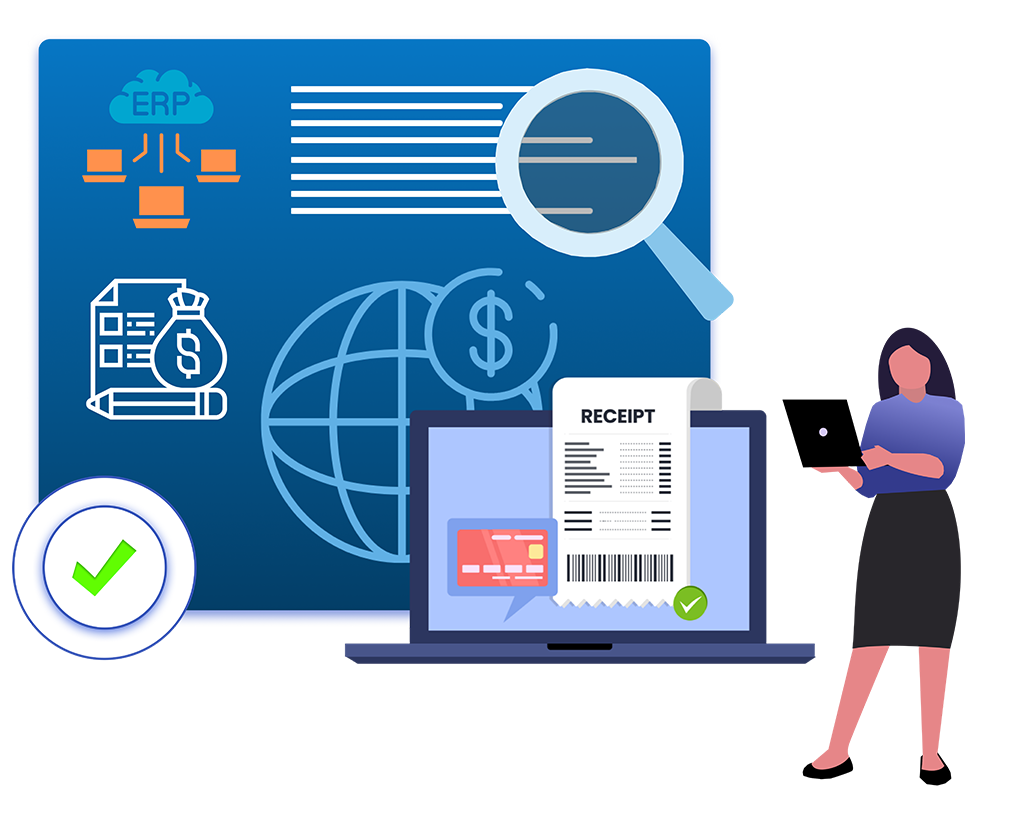
Ensuring financial accuracy in quality-related rejections requires an automated approach to processing credit and debit notes. Our system eliminates manual calculations and ensures that vendors receive real-time adjustments based on rejection quantities and rebate agreements.
- Upon rejection acceptance, the system helps in generating credit or debit notes linked to the original invoice and purchase order.
- Vendors receive notifications detailing adjustments, applicable deductions, and credit values.
- Integration with SAP and ERP systems ensures that all financial adjustments are reflected in accounts payable and receivable without delays.
- A transparent audit trail is maintained, reducing financial discrepancies and ensuring compliance with tax regulations.
With automated credit/debit note processing, businesses can minimize financial errors, accelerate settlements, and enhance trust in supplier collaborations.
Supplier Confirmations and CAPA Reports
Supplier engagement is critical for continuous quality improvement. Our system enables structured collaboration through supplier confirmations and Corrective Actions and Preventive Actions (CAPA) reports submission.
- Vendors must acknowledge QA reports, rejection notices, and rebate adjustments within a specified timeframe.
- Enforce CAPA reports submission in a stipulated timelines for rejected materials, outlining root causes, corrective measures, and preventive strategies.
- Suppliers can upload supporting documents, test reports, or corrective action plans directly into the system.
- Automated reminders ensure that non-responsive vendors are flagged for follow-ups, maintaining quality compliance.
By fostering data-driven supplier collaboration, businesses can reduce recurring quality issues, improve vendor performance, and maintain high product standards.
A data-driven QA collaboration system is essential for businesses that aim to ensure supply chain quality, reduce material rejections, and improve vendor relationships. Our automated QA data-sharing platform streamlines communication, eliminates disputes, and ensures financial accuracy.
With real-time sharing of QA results, automated GRN validation, digital rejection handling, and AI-powered CAPA tracking, businesses can:
- Enhance supplier accountability
- Eliminate manual errors
- Reduce financial disputes
- Improve quality control and compliance